
When timelines are tight, IBC tanks must be delivered with predictable lead times, the correct specification, and documentation that meets compliance requirements. This commercial guide doubles as a shoppable hub: it explains how to choose the right IBC quickly, outlines what to expect from IBC delivery, and points you to in-stock models with filters that cut selection time to minutes.
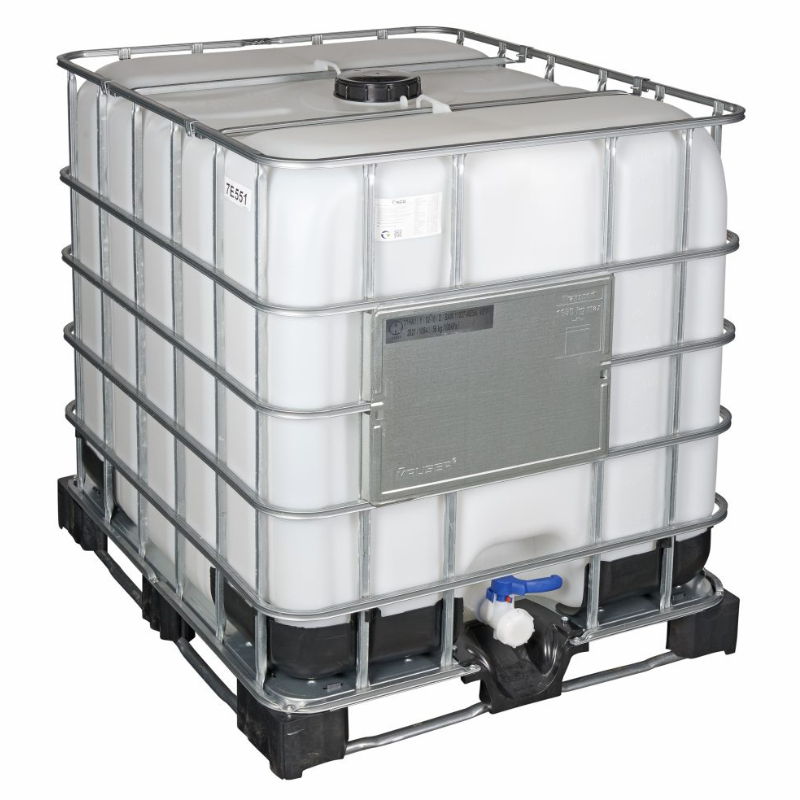
Why Reliable IBC Delivery Matters
Operational delays often come from selecting the wrong specification or discovering delivery constraints late. For IBC tanks that are delivered to you, we focus on:
- Specification certainty: headline capacity (e.g., 1000 L), certification, pallet type, and fittings shown on each product card.
- Fulfilment clarity: UK mainland coverage, kerbside drop details, tail‑lift availability (where applicable), and typical lead times provided upfront.
Compliance confidence: concise UN and non-UN guidance so your transport or static-storage use fits the rules.
Quick Overview of Choosing the Right IBC
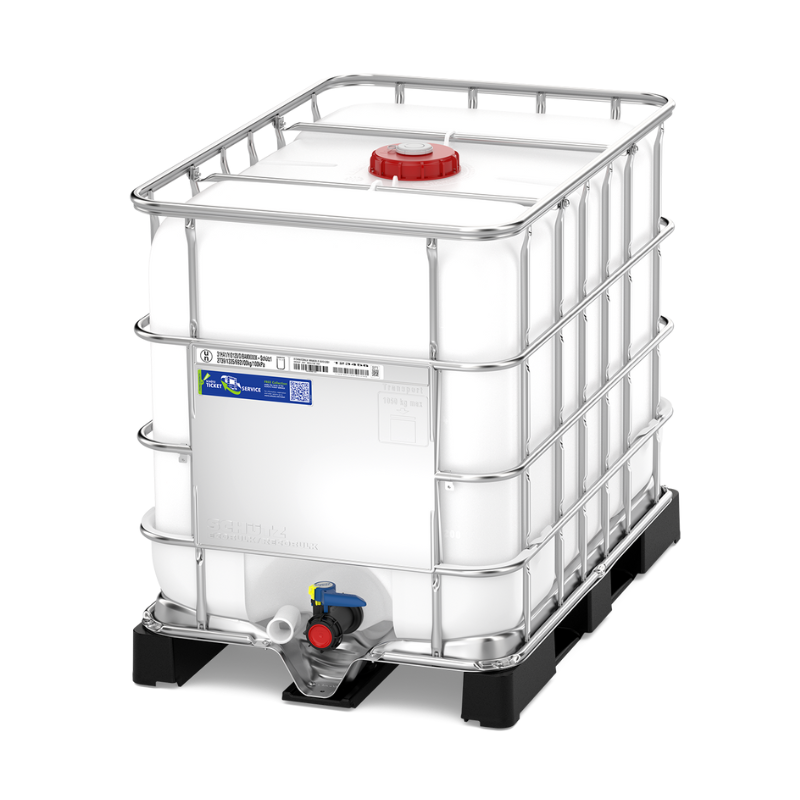
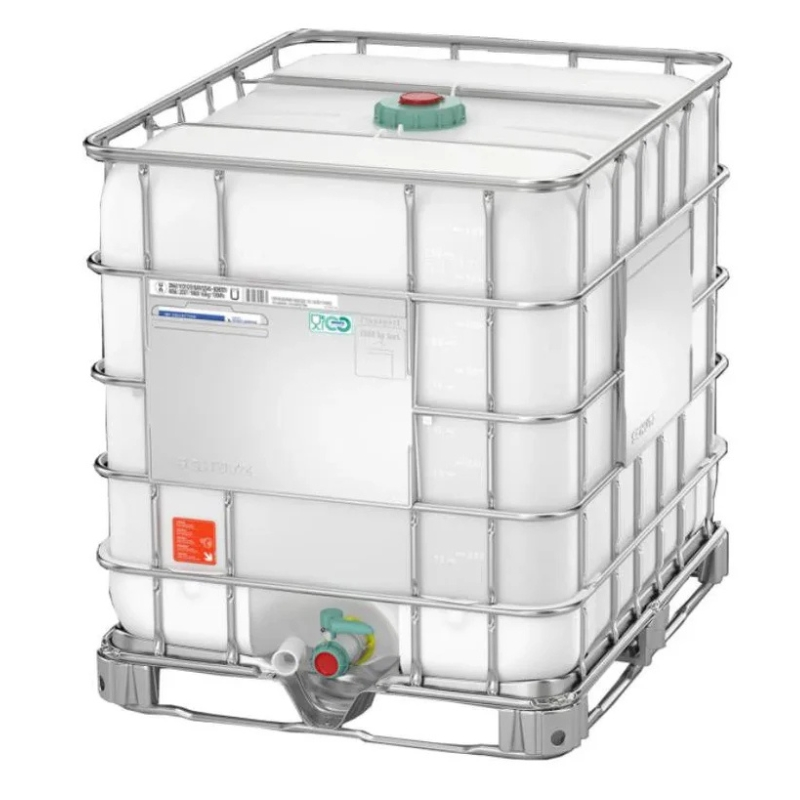
New IBCs
- Best for: regulated transport, food & beverage, pharma, and first-fill chemicals.
- Why choose: all-new components, broad certification coverage, clean audit trail.
- Check: UN certification (where required); valve (2″/3″), lid (DN150/DN225); pallet type.
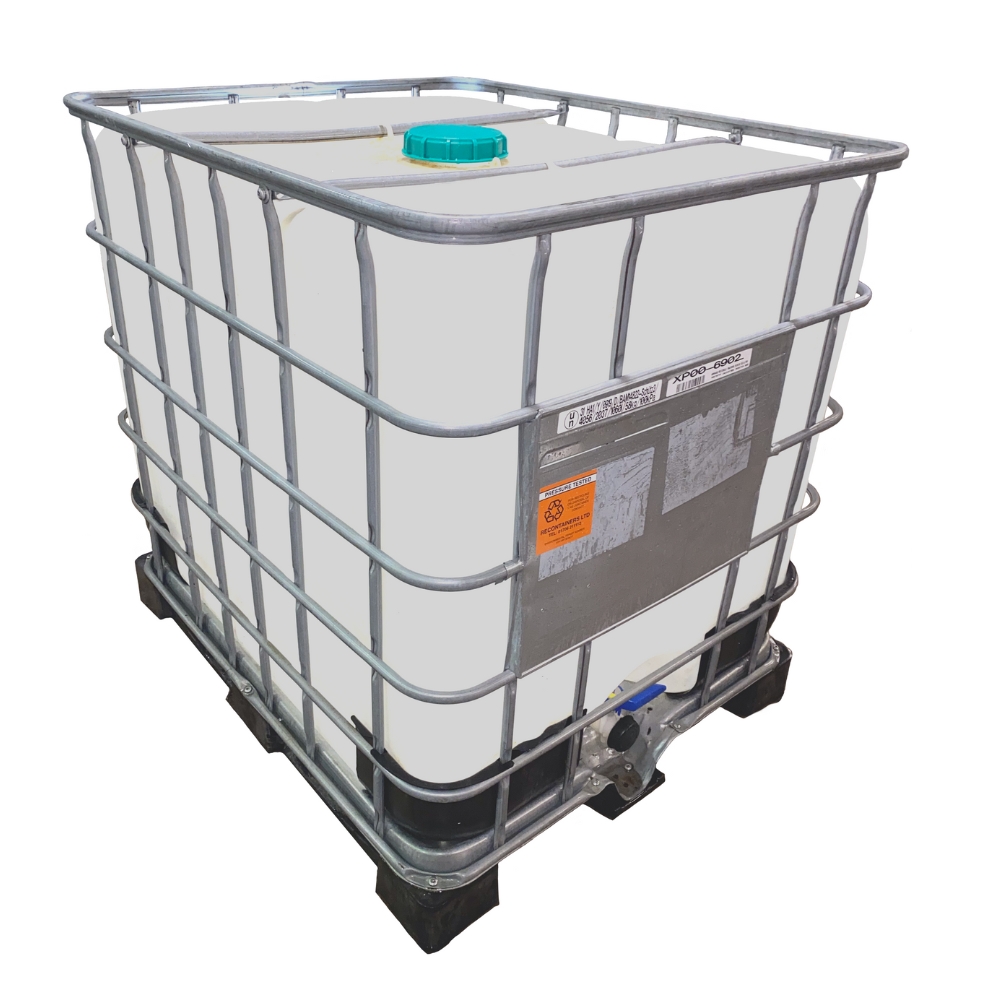
Reconditioned IBCs
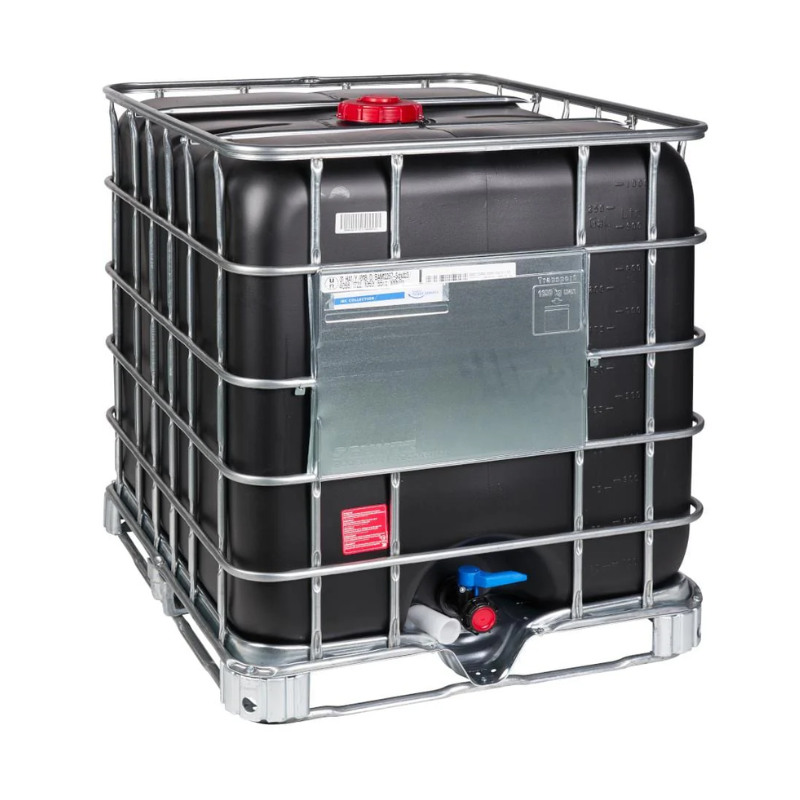
- Best for: compatible non-food liquids and many static storage scenarios.
- Why choose: QC-signed inspection with full pressure testing; a cost-efficient choice that supports component re-use and sustainability.
- Check: pressure-test confirmation and stated compatibility guidance.
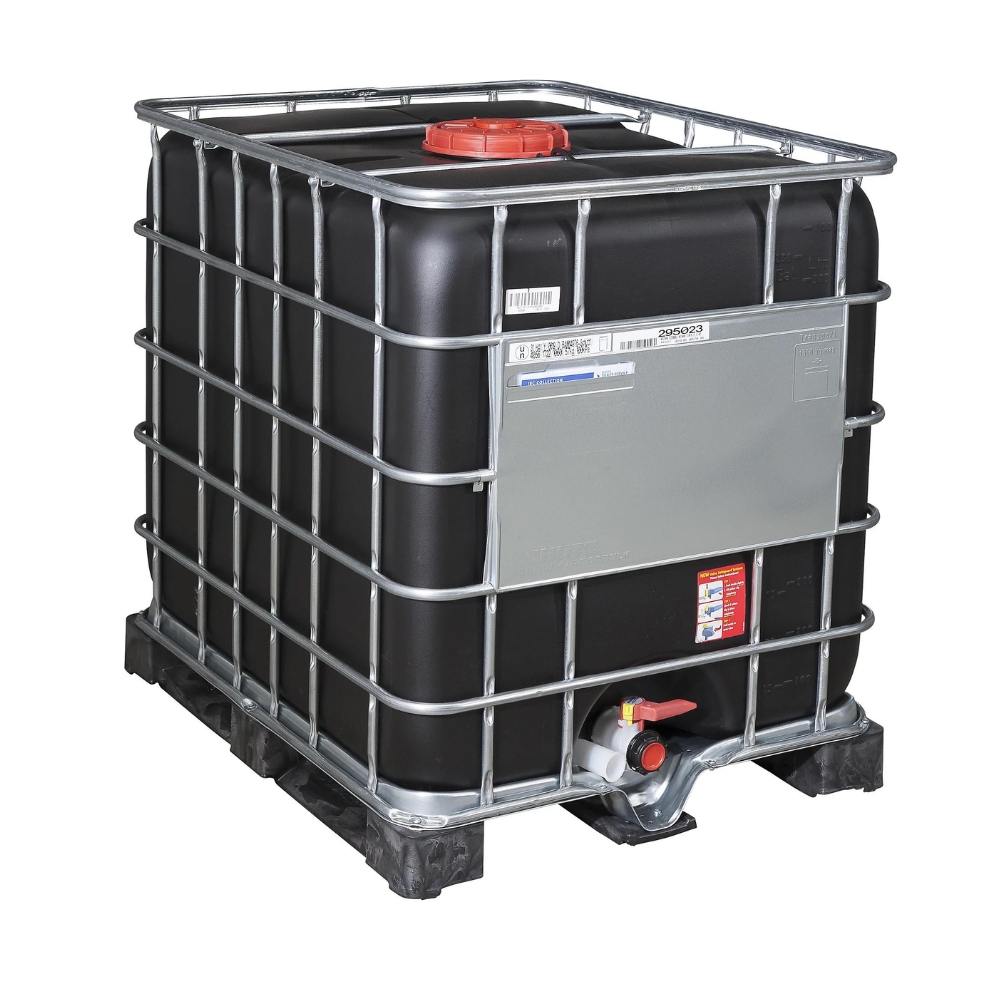
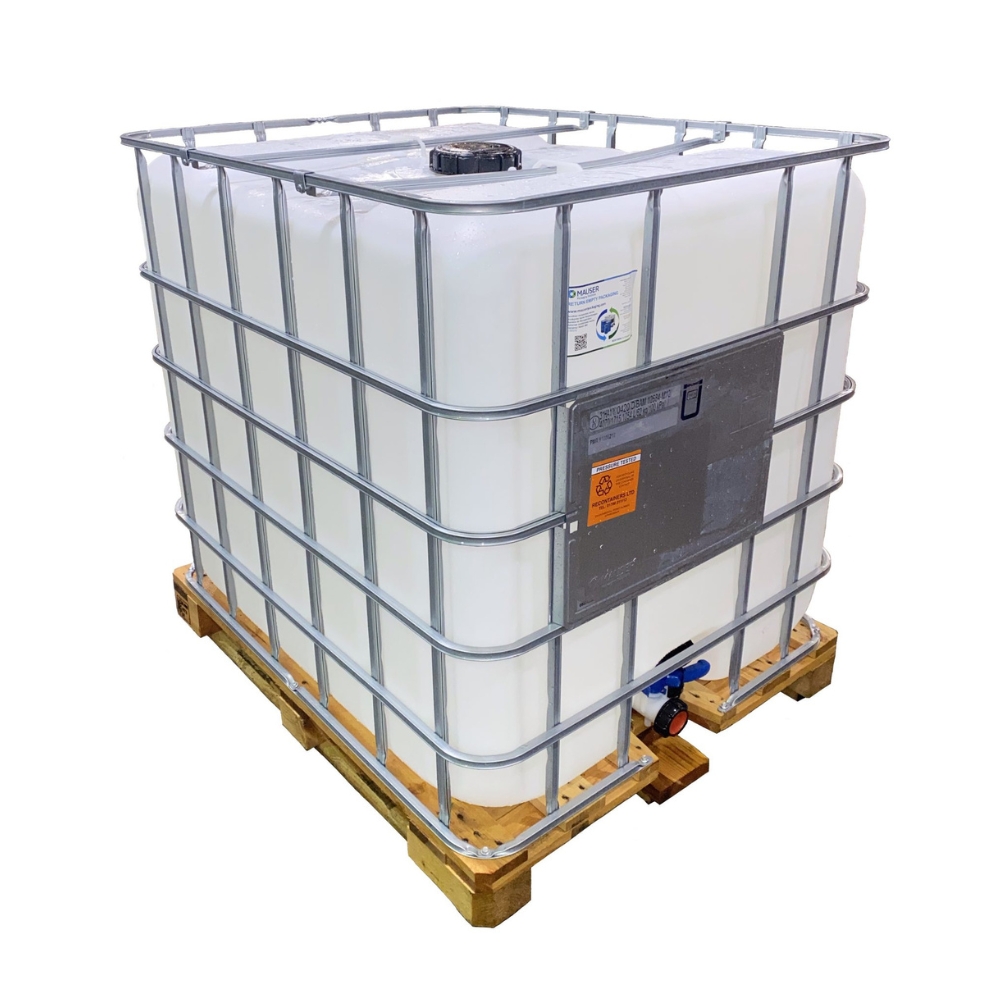
Rebottled IBCs
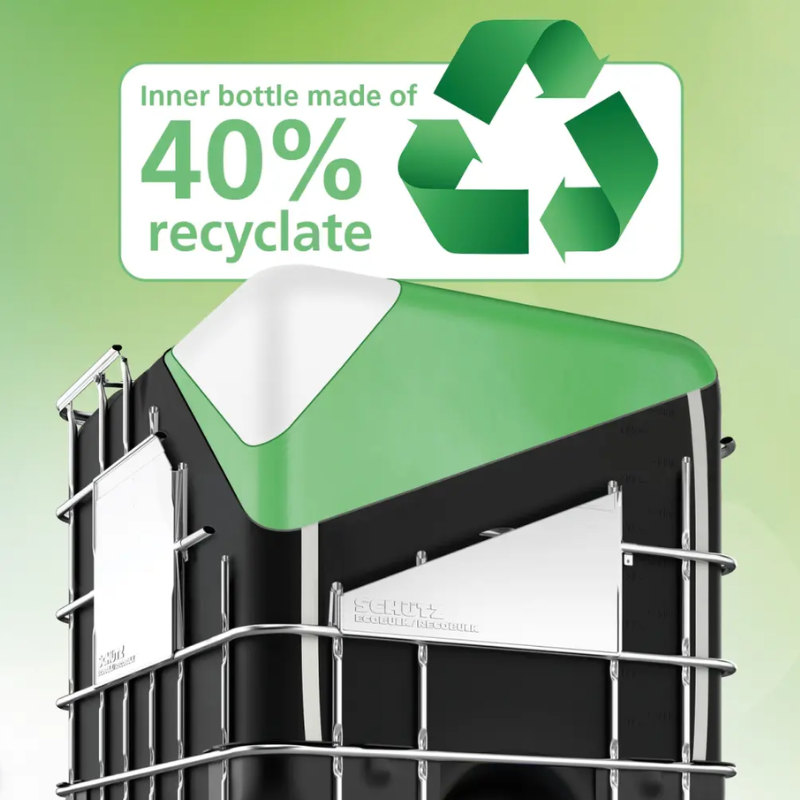
- Best for: new inner bottle + reused cage/pallet; a balance of cleanliness, compliance and cost.
- Why choose: new product-contact surface with component re‑use.
- Check: bottle confirmation, cage condition and accessory fit.
This section helps ensure you select the correct specification for your delivered IBC tanks the first time.
UN vs Non-UN: The 60-second Compliance Check
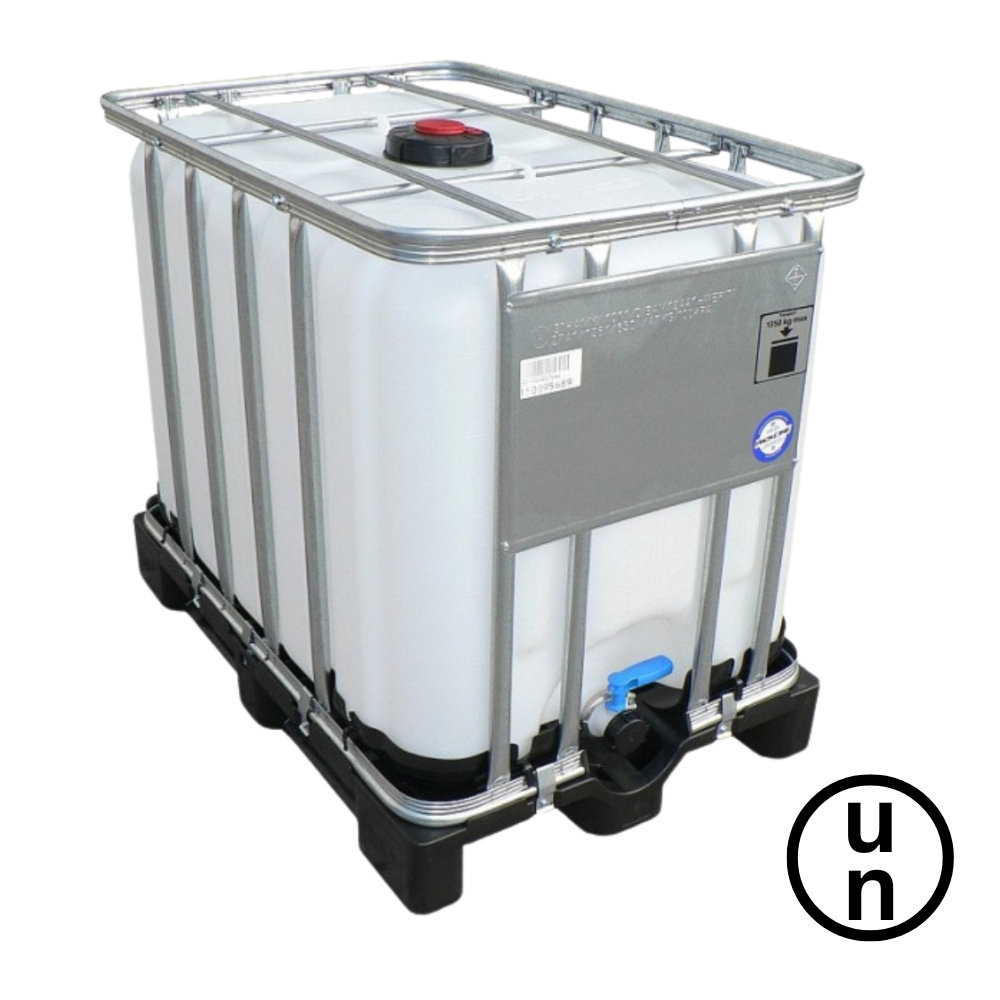
- UN-certified IBCs are tested for the carriage of regulated hazardous liquids, having passed drop, stacking, leak‑tightness and pressure tests.
- Non-UN IBCs may suit static storage and non-hazardous products.
- If any part of your route involves regulated transport, choose UN-certified models and verify your product classification and carrier requirements. Short and plain notes appear on each listing to help prevent errors.


Ready to Order?
Browse in-stock models, filter by capacity and certification, and see ETA to your site before checkout. For bulk pricing or specialist advice, speak to our team.
FAQs about Our Delivered IBC Tanks
How quickly can I get IBC tanks delivered to my site?
For in-stock items, typical UK mainland delivery is within 2–3 working days, with faster options available on request.
Do you offer next‑day options?
Where stock and route allow, expedited services are available. Enter a postcode or call us to confirm the earliest slot.
Can I arrange a timed delivery?
Yes, subject to carrier availability in your area. We’ll advise during checkout or by phone.
What documentation is provided?
Product pages state certification and performance notes, and UN models include the necessary markings. Keep documentation on file for audits.
Is offloading included?
Standard service is kerbside. Tail-lift can be arranged where available; please confirm site access and unloading method.